



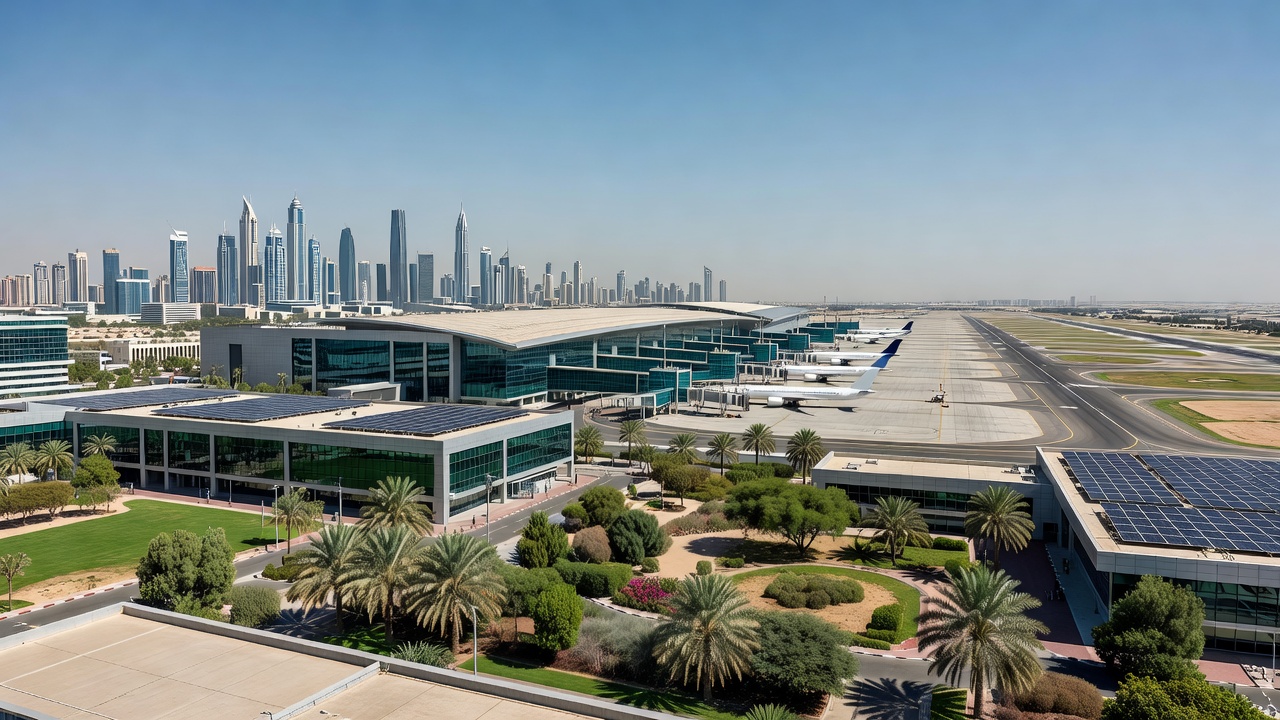

The Dubai Civil Aviation Authority and the relevant environment authority have expanded their joint work on sustainability issues, according to a WAM report. The move is intended to integrate environmental standards more closely with aviation operations in the emirate. This cooperation will cover multiple areas including emissions monitoring and the use of sustainable technologies. Officials described the partnership as a significant step forward for the sector.
According to a January 2026 report by GCC Business Watch, the UAE aviation sector strengthened its global leadership through innovation and sustainability initiatives amid record growth. The Dubai agreement will support these national efforts by focusing on local implementation. Data from industry sources places the emphasis on reducing the carbon intensity of flights and airport activities. The authorities intend to develop shared strategies that promote long-term environmental stewardship.
WAM said the deepened cooperation includes regular coordination meetings and joint research projects. The aviation authority contributes its expertise in air transport while the environment body provides regulatory oversight on ecological matters. This combined approach aims to ensure that Dubai’s aviation hub continues to expand sustainably. The partnership reflects the emirate’s commitment to balancing economic ambitions with environmental responsibility.
A separate EU-UAE initiative on sustainable aviation fuels announced in November 2025, according to the European External Action Service, demonstrates the international dimension of such efforts. Dubai’s local agreement will complement these broader collaborations by addressing specific operational needs at its airports. Projections from sector analysts suggest that sustainable practices could significantly lower the industry’s overall emissions profile in the coming years.
The agreement also calls for capacity building programs to train personnel from both organizations, WAM reported. Such programs will focus on best practices in environmental management within the aviation context. Integration of sustainability metrics into decision-making processes forms another key element of the pact. This comprehensive framework is expected to yield measurable improvements in environmental performance.
UAE aviation has seen substantial expansion with passenger numbers reaching record levels in 2025, a GCC Business Watch assessment found. The new cooperation between aviation and environment authorities in Dubai is positioned to manage the environmental implications of this growth effectively. Ongoing monitoring and adjustment of the joint initiatives will ensure their continued relevance and impact.