



In a press release, Dubai Electricity and Water Authority outlined how it advances clean energy infrastructure projects through a comprehensive approach that places environmental protection, resource conservation and biodiversity at the heart of infrastructure development. By embedding sustainability considerations across all project phases, the authority reduces carbon emissions, improves resource efficiency and supports Dubai’s standing as a global model for smart and sustainable cities. The release noted that DEWA draws inspiration for these efforts from the directives of the UAE’s wise leadership.
Saeed Mohammed Al Tayer, managing director and chief executive officer of DEWA, said in the statement, “We draw our inspiration for environmental protection and sustainability enhancement from the directives of our wise leadership, whose vision has established the UAE as a global model in climate action, sustainable development and the preservation of natural resources for future generations. We are advancing the objectives of the Dubai Clean Energy Strategy 2050 and the Dubai Net Zero Carbon Emissions Strategy 2050 by delivering transformative energy projects that support Dubai’s goal of providing 100% of its total power production capacity from clean sources by 2050. In doing so, we adhere to the highest standards of efficiency, reliability and sustainability. Our projects reaffirm that developing future infrastructure is driven by a comprehensive vision that accounts for environmental protection, resource preservation and biodiversity enhancement, aligning with the UAE’s sustainability legacy and Dubai’s ambition to build a greener, more resilient and prosperous future.” Al Tayer’s comments underscored the link between the projects and the emirate’s long-term ambitions.
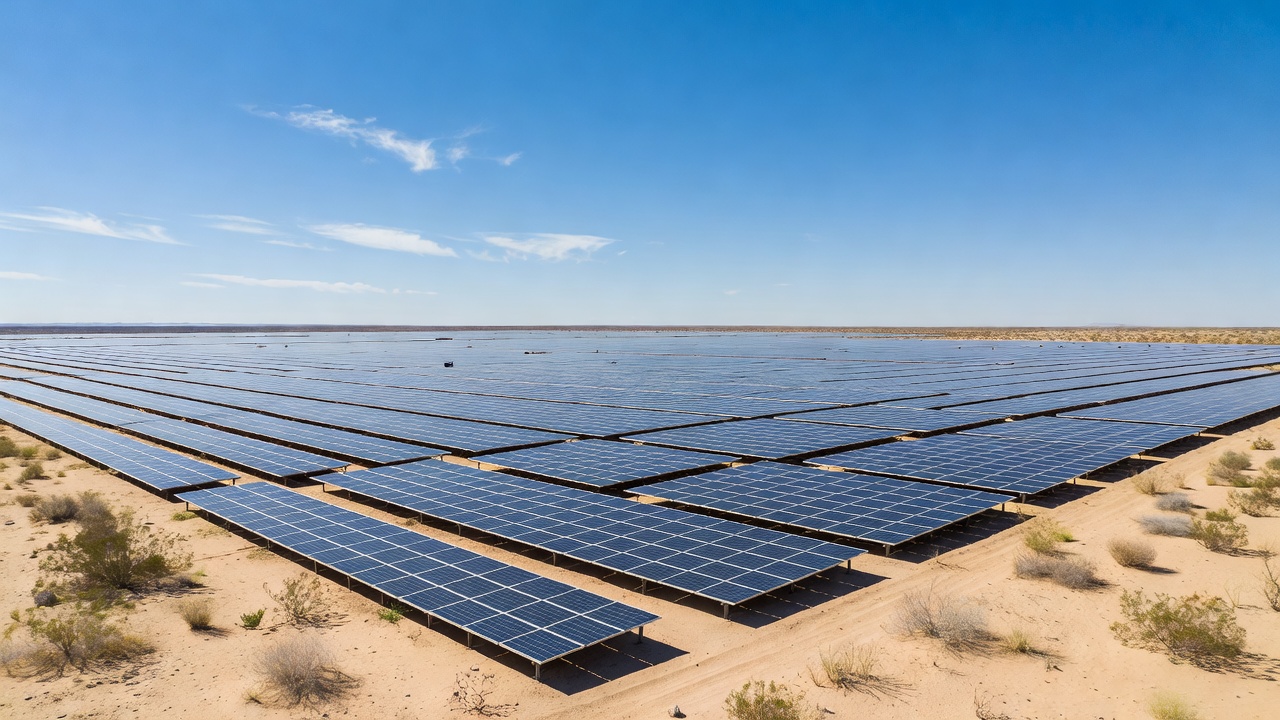
According to the release, one of the authority’s flagship clean energy initiatives is the Mohammed bin Rashid Al Maktoum Solar Park. The world’s largest single-site solar park developed under the independent power producer model currently has a capacity of 3,860 megawatts. It is expected to exceed 8,000 megawatts by 2030, surpassing its initial target of 5,000 megawatts, and this expansion is projected to increase the share of clean energy in Dubai’s energy mix to 36 percent from an original goal of 25 percent.
The statement highlighted the Hatta hydroelectric power plant as another milestone. The facility represents the GCC’s first pumped-storage hydroelectric project with a production capacity of 250 megawatts, a storage capacity of 1,500 megawatt-hours and a lifespan of up to 80 years. Together these developments strengthen energy security, reduce carbon emissions and accelerate the transition to a low-carbon economy, DEWA added in the document.
DEWA further explained in the release that sustainability is embedded across the planning, design, construction and operation of its projects. Environmental Impact Assessments help identify potential impacts, support regulatory compliance and integrate sustainability principles from the outset with findings incorporated into environmental management plans. Environmental monitoring programmes regularly assess air, water and soil quality along with noise levels, enabling the authority to take corrective action and drive continuous improvement.
Resource efficiency and waste management receive equal emphasis under the sustainability strategy, the press release stated. Guided by circular economy principles, projects focus on rationalising resource use, minimising waste generation and promoting reuse, recycling and material recovery in line with recognised environmental standards. These efforts are supported by an integrated framework that includes environmental inspections, audits, performance indicators, reporting systems and employee awareness programmes.
The authority’s release detailed how clean energy projects in areas with unique natural characteristics receive particular attention, citing the Hatta plant as an example of balancing development with preservation. DEWA extends its environmental commitment through community initiatives aimed at protecting biodiversity and strengthening awareness. In 2026 the authority organised mangrove-planting and beach-cleaning campaigns at Jebel Ali Marine Sanctuary involving 254 volunteers who planted 700 mangrove trees and contributed 508 volunteer hours while between 2023 and 2026 it planted 14,650 mangrove trees at the sanctuary and beach clean-ups removed 3,546 kilograms of waste with the participation of 2,154 volunteers.