


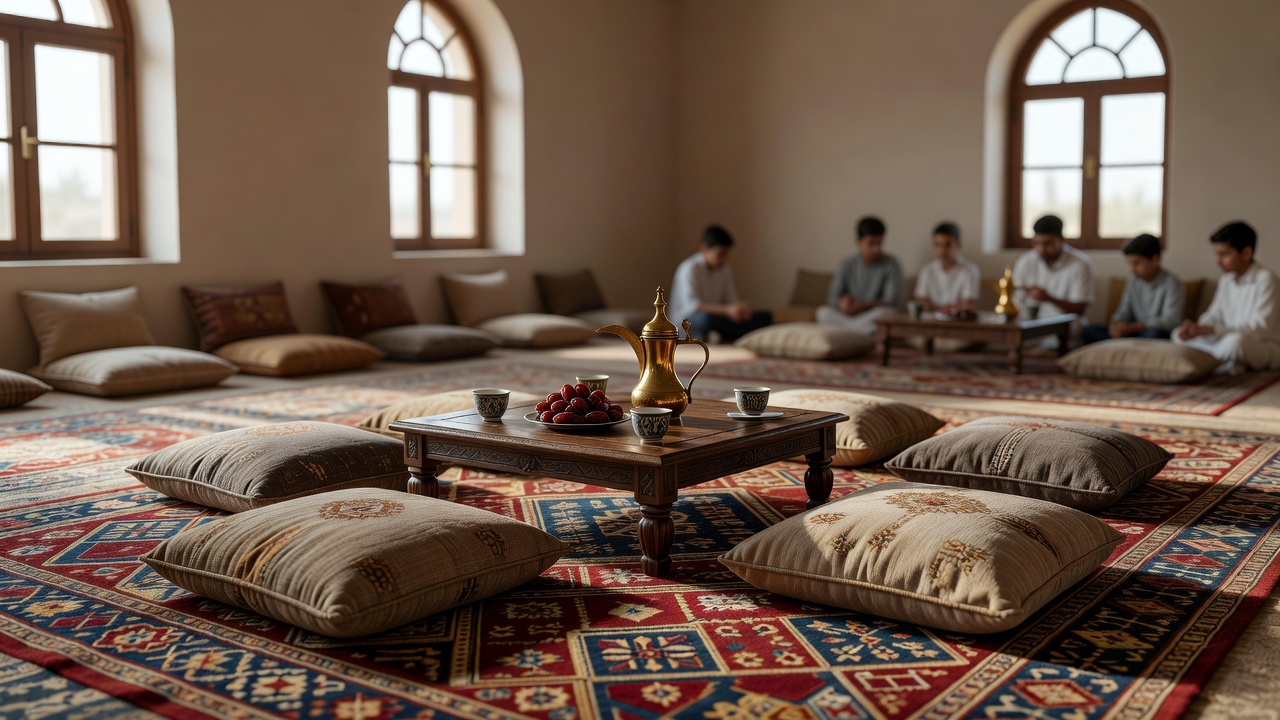

The Ajman Chamber of Commerce and Industry organized the ‘Majlis Etiquette’ workshop in Ajman this month under its ‘Our Summer is Happiness’ initiative, according to the Emirates News Agency. The session targeted children and young participants with interactive lessons on proper conduct within a traditional majlis setting, including greeting protocols, seating arrangements and respectful dialogue. A total of six events form the 2026 programme, which the chamber said aims to develop skills while fostering creativity and innovation among younger residents. UNESCO has recognized the majlis as an intangible cultural heritage element that serves as a community gathering space across the Arabian Peninsula.
According to the chamber, the workshop forms part of efforts to transmit cultural knowledge directly to the next generation through hands-on activities rather than theoretical instruction alone. Participants learned the importance of listening without interruption, offering refreshments to guests and maintaining appropriate posture during gatherings, all core elements of Emirati hospitality. The initiative aligns with wider national strategies to preserve heritage amid rapid modernization, a point highlighted in multiple chamber announcements this summer. UNESCO figures show that such informal learning environments have historically played a central role in passing ethics and social norms to youth across Gulf societies.
Emirati majlis gatherings function as both social and decision-making forums where respect for elders and open discussion form the foundation, the workshop curriculum emphasized. Children practiced scenarios involving guest reception and conversation flow, skills that reinforce community cohesion according to cultural education specialists. The Ajman Chamber distributed educational materials at the conclusion of the session to help families continue the lessons at home. Similar programmes have expanded across other emirates in recent years as authorities seek to balance tradition with contemporary lifestyles.
The summer programme encompasses a range of activities designed to engage different age groups while embedding values of national identity, an Ajman Chamber statement indicated. Workshops like this one address a growing need for structured cultural education as family structures evolve and digital distractions increase. Public feedback from prior events in the series has been positive, with parents noting improved awareness among their children of historical customs. Data from regional education authorities points to rising enrollment in heritage-focused extracurricular activities throughout the UAE since 2020.
Organizers structured the session to combine entertainment with instruction, ensuring children remained engaged while absorbing key principles of majlis behavior. The chamber plans additional follow-up activities later in the season to reinforce the concepts introduced during the initial workshop. Participation remained open to families from across Ajman, reflecting the inclusive nature of both the majlis tradition and the summer programme itself. UNESCO documentation underscores that observation and participation in majlis settings have long served as primary vehicles for cultural transmission in Emirati society.