




The Emirates News Agency reported that Operation Chivalrous Knight 3 has maintained its focus on bolstering Gaza’s healthcare infrastructure through targeted shipments of medicines, equipment and supplies. These efforts form part of a sustained aid bridge that has operated despite persistent logistical obstacles at border crossings. Medical teams affiliated with the operation have prioritised deliveries to key facilities including field hospitals established in Rafah and Khan Younis. Such support has enabled continued treatment for patients with trauma injuries and chronic conditions that have grown more prevalent during the ongoing conflict.
Figures released by the operation and cited across multiple outlets place the total humanitarian assistance delivered under Operation Chivalrous Knight 3 at more than 136,000 tonnes via over 14,000 trucks since its launch.[[1]](https://gulfnews.com/uae/government/uae-aid-to-gaza-tops-136000-tonnes-under-operation-gallant-knight-3-1.500701439) This assistance has encompassed food, shelter materials and specialised medical items transported by land, sea and air routes. Healthcare has remained a central pillar with more than 294,000 medical cases treated through the UAE-supported network of facilities. The operation has also facilitated the provision of prosthetic limbs to nearly 200 amputees under a dedicated rehabilitation initiative.
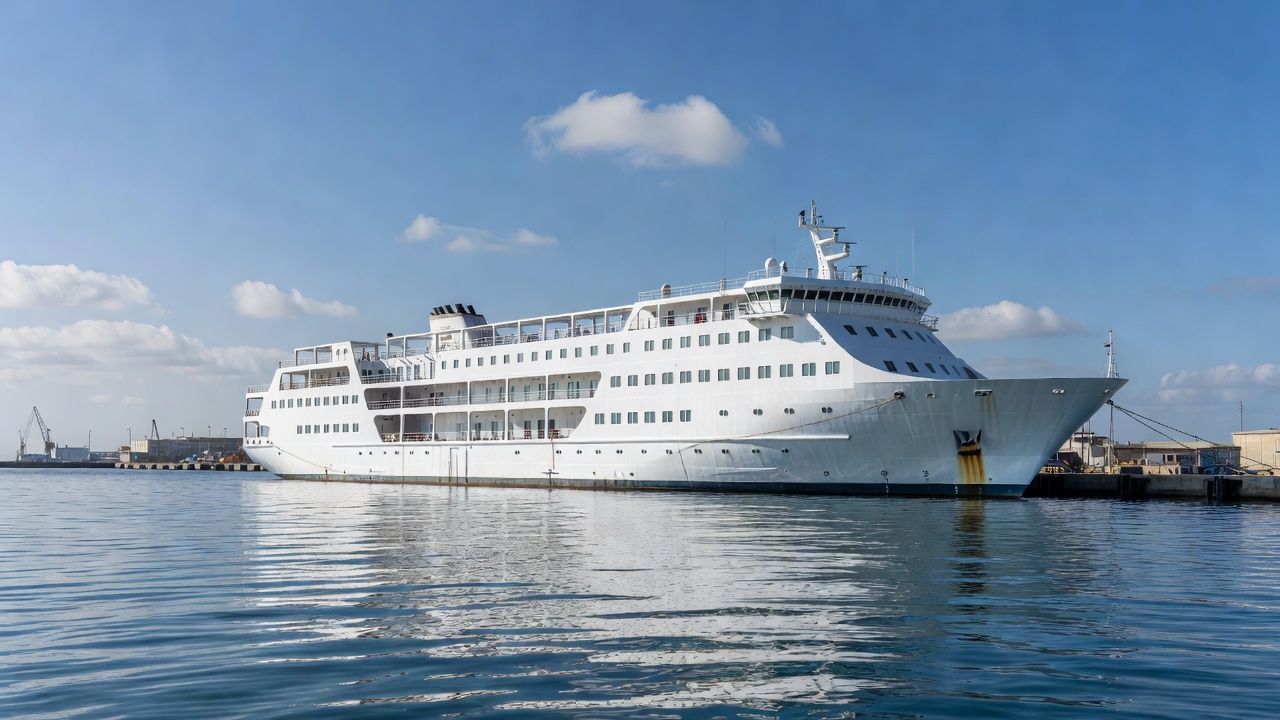
A floating hospital stationed in Al Arish, Egypt, has received and treated over 35,000 patients evacuated from Gaza according to operational records.[[1]](https://gulfnews.com/uae/government/uae-aid-to-gaza-tops-136000-tonnes-under-operation-gallant-knight-3-1.500701439) The facility offers assessment, surgery and specialised care for complex cases that cannot be managed inside the enclave. Inside Gaza itself the UAE field hospital has handled tens of thousands of additional cases while supporting local staff with equipment and training. These facilities have operated at elevated capacity to address both emergency trauma and routine medical needs that have been disrupted by widespread infrastructure damage.
World Health Organization data indicate that only about half of Gaza’s hospitals remain partially functional after nearly three years of conflict with none operational in the north of the territory.[[2]](https://www.un.org/unispal/document/report-whos-response-in-the-occupied-palestinian-territory-january-december-2025/) The agency has documented more than 930 attacks on healthcare facilities since October 2023 contributing to severe shortages of essential medicines that now stand at 51 percent out of stock. Over 170,000 Palestinians have sustained injuries since the escalation began with roughly one quarter requiring long-term rehabilitation services that are in critically short supply. These conditions have compounded the strain on remaining medical staff and infrastructure.
The operation has supplied more than 16,000 tonnes of medicines and medical equipment overall while deploying ambulances and supporting dialysis and vaccination programmes across the Strip.[[3]](https://gulfnews.com/uae/government/uae-aid-to-gaza-reaches-312b-under-operation-chivalrous-knight-3-1.500618608) Contributions have included over 290,000 dialysis sessions and participation in polio immunisation campaigns that reached hundreds of thousands of children. Such interventions have sought to mitigate secondary health crises including malnutrition-related complications that have affected tens of thousands according to UN agencies. Coordination with Egyptian authorities has enabled the logistics hub in Al Arish to sort and forward aid efficiently.
Total value of assistance provided under the operation has surpassed 3.8 billion dollars representing a substantial share of international aid to Gaza during the period.[[4]](https://www.khaleejtimes.com/uae/operation-chivalrous-knight-1000-days-aid-gaza-389billion) This cumulative support has included establishment of medical centres that have expanded local capacity beyond immediate emergency response. Officials have emphasised the importance of sustained delivery to prevent further deterioration of public health indicators in the enclave.