



The UAE Embassy in the Maldives, working with the Maldives Ministry of Climate Change, Environment and Energy, held the virtual roundtable on October 6, 2026, to explore expanded bilateral work in the energy sector. Heba Aljneibi, Chargé d’Affaires at the UAE Embassy, led the UAE delegation that included representatives from Abu Dhabi Future Energy Company (Masdar) and Global South Utilities. The Maldivian delegation was chaired by Mohamed Faiz, Minister of State for Climate Change, Environment and Energy, and included senior ministry officials together with representatives from the State Electric Company Ltd.
In her opening remarks Aljneibi emphasised the UAE’s commitment to renewable energy and its readiness to support island nations facing distinct climate challenges, the Emirates News Agency reported. She outlined targets under the UAE Energy Strategy 2050, the UAE Consensus reached at COP28 in Dubai in 2023 and the launch of the ALTÉRRA fund valued at $30 billion for climate solutions. Aljneibi also highlighted Masdar’s goal of achieving 100 gigawatts of clean energy capacity worldwide by 2030 while affirming that UAE-Maldives relations rest on friendship, mutual respect and shared interests.
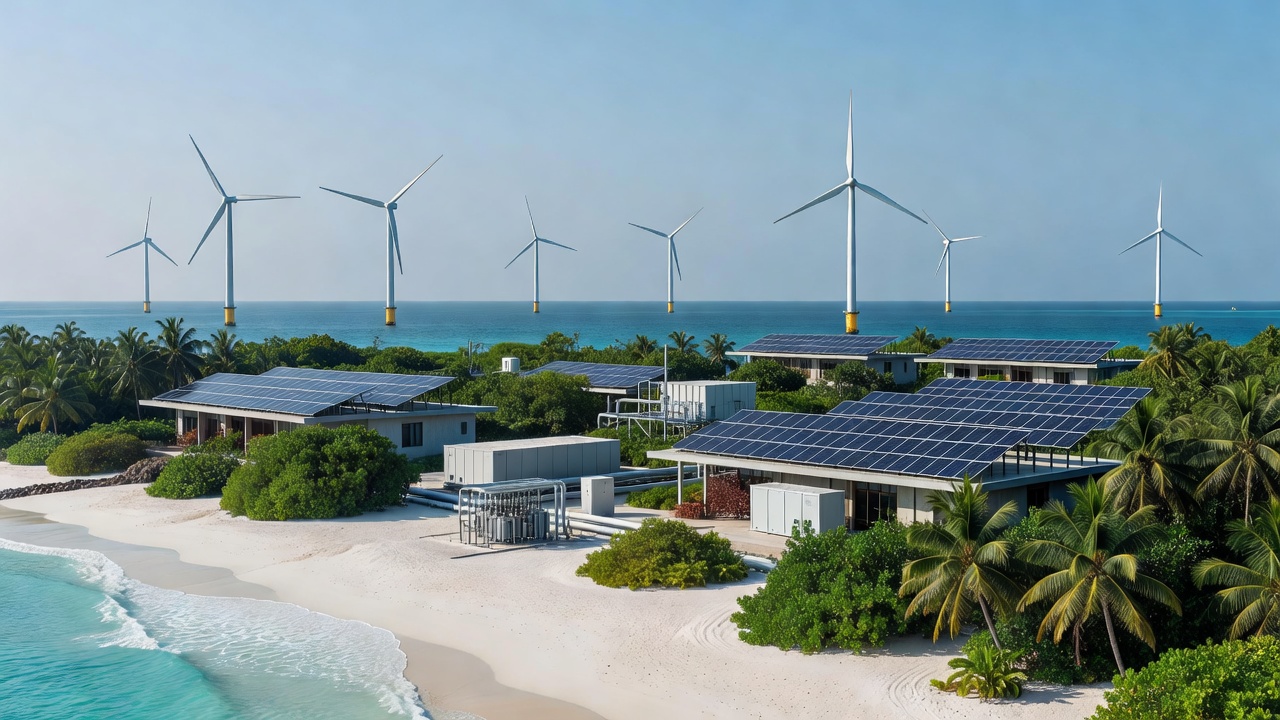
Discussions addressed electricity grid modernisation, smart grid deployment, battery energy storage systems and measures to reduce dependence on diesel generation, according to the Emirates News Agency. Participants examined desalination projects spanning 40 islands, improvements to water and sewerage networks that incorporate renewable energy, and the feasibility of regional waste-to-energy facilities. The roundtable further reviewed training programmes, capacity building initiatives and technical knowledge exchange to support Maldives projects already under way or in planning.
The Ministry of Energy and Infrastructure has reported that UAE renewable energy capacity expanded more than 63-fold over the past decade to surpass 8.2 gigawatts in 2025, with solar accounting for the majority of additions. This growth forms part of national efforts that have lifted the clean energy share in power generation while supporting international climate objectives. Masdar, which participated in the roundtable, has played a central role in delivering utility-scale renewable projects across multiple countries.
The Maldives Ministry of Climate Change, Environment and Energy has set a national target of generating 33 percent of electricity from renewable sources by the end of 2028, up from a current installed renewable capacity of roughly 116 megawatts. Recent solar hybrid projects across dozens of islands are projected to deliver annual diesel savings of several million litres and cut carbon dioxide emissions by thousands of metric tonnes each year. The ministry has noted that the country currently spends hundreds of millions of dollars annually on oil imports for power generation, making the transition a fiscal as well as environmental priority.
The UAE has emerged as a significant development partner for the Maldives, backing large-scale investments that include the approximately $20 billion Rasmalé project led by UAE-based Eagle Hills, the Emirates News Agency noted in related coverage. Officials from both sides used the roundtable to align on technical and financial requirements that could accelerate the Maldives’ shift toward cleaner energy systems. Additional coordination is expected to follow as the two governments examine specific investment proposals and capacity-building activities arising from the discussions.