



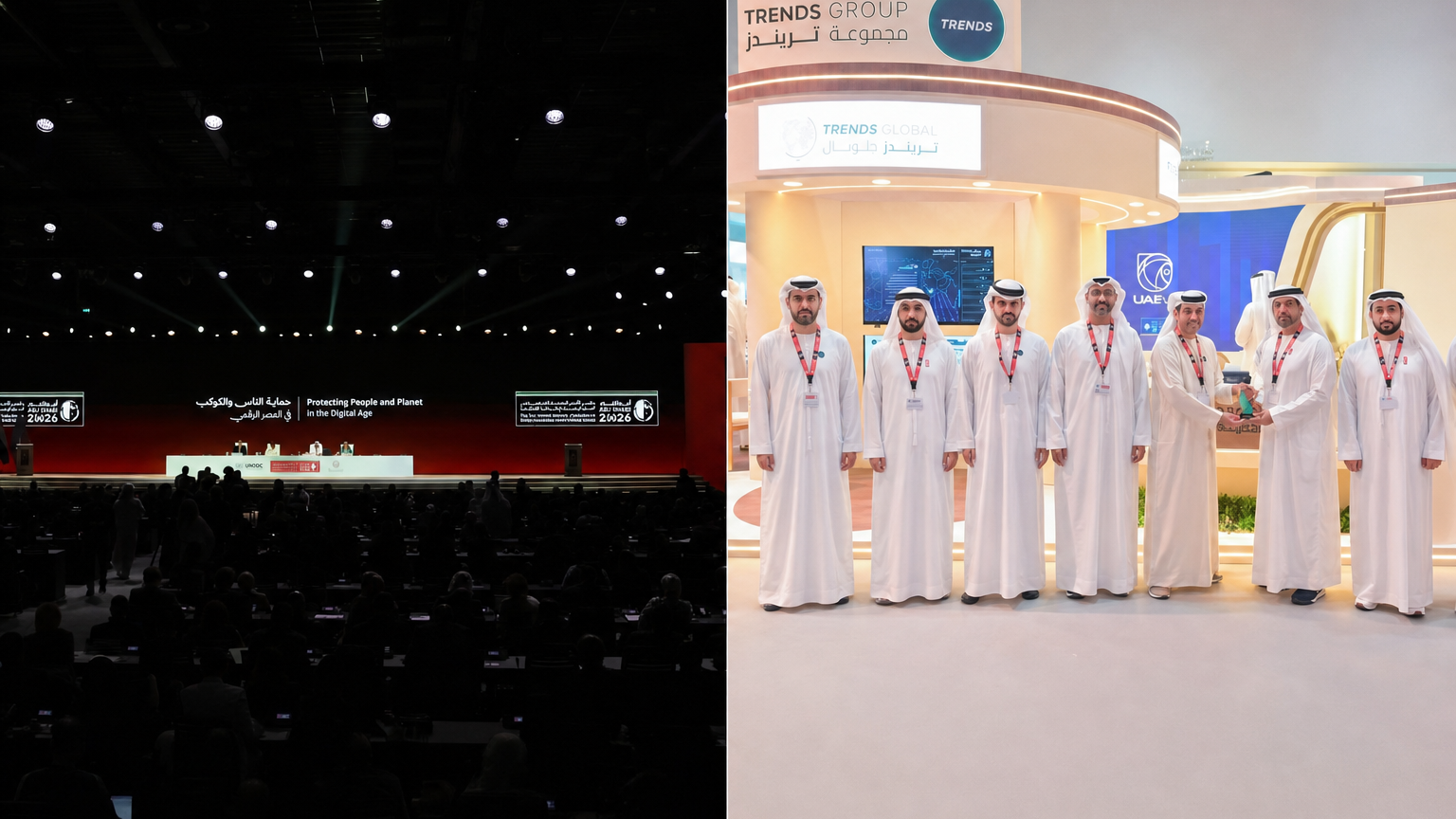

The session convened international experts policymakers and researchers to examine how artificial intelligence is reshaping legal frameworks innovation pathways and collaborative mechanisms across borders the Emirates News Agency reported. Discussions centered on balancing technological advancement with regulatory safeguards to address emerging risks in areas such as cybersecurity data privacy and cross-border crime prevention. Participants stressed the importance of multilateral agreements that can adapt to rapid AI developments while promoting equitable access among nations at different stages of technological readiness. TRENDS Research and Advisory which organized the event positioned the dialogue as a platform for forging actionable recommendations ahead of future global forums.
A TRENDS insight published in July 2025 had already framed AI as a geopolitical actor capable of both enhancing and complicating international relations by altering decision-making processes and power dynamics. Building on that analysis the October 1 session explored practical steps for establishing binding treaties that prevent misuse while ensuring fair distribution of AI benefits. Experts highlighted disparities between technologically advanced economies and developing regions warning that without coordinated action these gaps could lead to new forms of technological dependence. The panel aligned its focus with broader United Nations efforts to integrate AI considerations into crime prevention strategies and justice systems worldwide.
The 15th United Nations Congress on Crime Prevention and Criminal Justice provided the backdrop for the TRENDS initiative drawing delegates from dozens of countries to Abu Dhabi for high-level exchanges on global security challenges. Within this setting the AI-focused discussion underscored technology’s dual role as both a tool for combating transnational threats and a potential source of new vulnerabilities if left unregulated. Speakers called for harmonized international standards that respect national sovereignty while fostering joint research and capacity-building initiatives. Such cooperation the participants noted is essential to harnessing AI for predictive policing ethical surveillance and secure information sharing among law enforcement agencies.
Previous TRENDS dialogues on artificial intelligence including the 2025 edition in Abu Dhabi on tech diplomacy and the 2024 conference in Tokyo on sustainable security have consistently emphasized the need for inclusive governance models that incorporate diverse perspectives from the Global South. The latest session extended those conversations by linking AI advancements directly to legal innovation and the evolution of international treaties according to organizers. One key theme involved developing shared protocols for AI-driven threat detection that could strengthen collective responses to cybercrime and digital terrorism. Attendees reviewed case studies demonstrating how nations have begun integrating AI into diplomatic processes while grappling with accountability questions when autonomous systems influence policy outcomes.
The Stimson Center’s Future of International Cooperation Report released in September 2026 advocates for a Global AI Hub to provide developing countries with access to computing infrastructure data resources and expertise thereby reducing technological divides that hinder effective multilateral partnerships. This proposal resonated with points raised during the TRENDS panel which similarly urged investment in joint infrastructure to support ethical AI deployment worldwide. Panelists referenced ongoing United Nations initiatives including the Global Digital Compact as foundational documents that should guide future AI-related cooperation in crime prevention. The discussion concluded with calls for continued forums that translate high-level commitments into concrete operational frameworks for governments and international organizations.
TRENDS Research and Advisory has organized multiple annual conferences on AI and security themes since 2024 each building a cumulative body of recommendations for policymakers. The October 1 event in particular sought to bridge gaps between technological innovation and legal adaptation by featuring contributions from specialists in international law ethics and strategic foresight. Organizers indicated that outcomes from the session would inform upcoming publications and policy briefs aimed at supporting the United Nations Sustainable Development Goals. As AI capabilities expand the consensus emerging from these gatherings points toward enhanced global coordination as the most viable path to managing associated risks and opportunities.