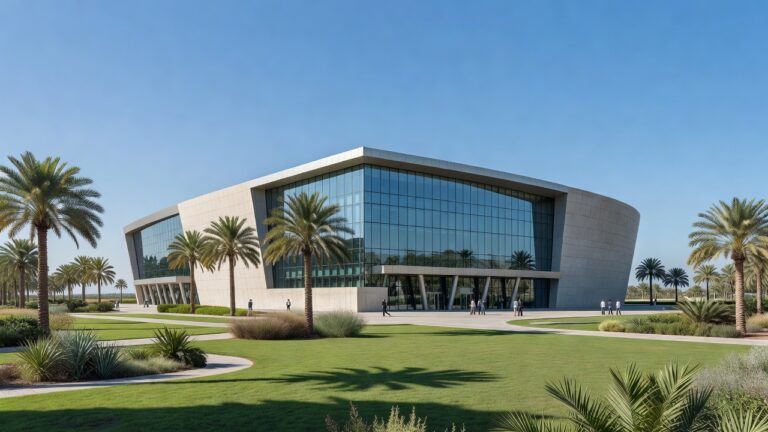



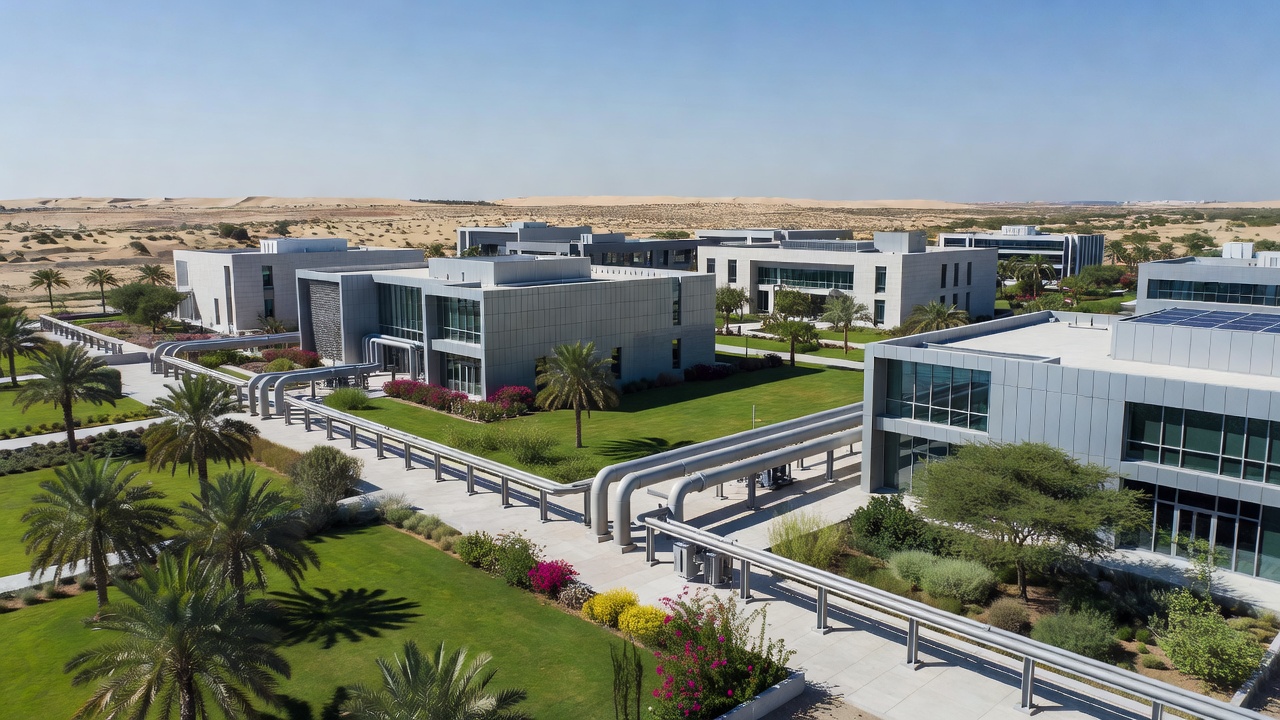

The United Nations Environment Programme recognized the United Arab Emirates for its leadership in district cooling and in advancing sustainable cooling within global climate and development policy, according to a September 17, 2026 press release from the agency. The announcement came at the Global Cooling Pledge Assembly held in Singapore, where the inaugural Cool Leaders awards were launched to highlight efforts to combat extreme heat and reduce emissions from cooling. UAE Minister of Energy and Infrastructure Suhail Mohamed Al Mazrouei accepted the recognition on behalf of the country, which has invested heavily in efficient cooling infrastructure to meet rising demand while lowering its environmental footprint.
According to the UNEP release, the UAE was chosen alongside Singapore, recognized for its holistic approach to heat resilience and passive cooling, and Dong Mingzhu, chairwoman of Gree Electric Appliances, for her work on ultra-efficient, low-carbon cooling technologies. The Cool Leaders initiative forms part of the broader Global Cooling Pledge, which UNEP said aims to cut cooling-related emissions by 68 percent by 2050. More than 70 countries have signed the pledge, UNEP data shows, committing to super-efficient technologies, climate-friendly refrigerants and better access to cooling for vulnerable populations.
UNEP Executive Director Inger Andersen stated, “The Global Cooling Pledge was created to address rising cooling demand and escalating heat risks through passive cooling solutions, super-efficient technologies and climate-friendly refrigerants.” The pledge assembly also saw the introduction of a global Heat Resilience Roadmap and a Nature for Cooling Challenge involving Brazil, Cambodia and Côte d’Ivoire. These measures are intended to translate commitments into concrete actions that protect people from extreme heat, which UNEP identifies as one of the deadliest and fastest-growing climate risks.
UNEP’s Global Cooling Watch 2025 report projects that cooling demand could more than triple by 2050 under a business-as-usual scenario, which would almost double cooling-related greenhouse gas emissions to an estimated 7.2 billion tons of carbon dioxide. The UAE’s district cooling systems have become a model for energy efficiency in the region, with the country integrating cooling strategies into its national climate plans and international advocacy, the UNEP assessment found. District cooling can reduce energy use by up to 50 percent compared with conventional air conditioning, according to industry benchmarks cited in related UNEP reports.
Additional announcements at the assembly included financial support and new partnerships to boost heat resilience worldwide, the UNEP release reported. The evaluation committee for Cool Leaders, composed of experts from academia, government and international organizations, selected the recipients based on impact, scalability and alignment with sustainable cooling principles. This first cohort of Cool Leaders sets a benchmark for future recognitions planned annually under the initiative.
The recognition comes as the sustainable cooling pathway outlined in the UNEP report could reduce emissions to 64 percent below business-as-usual levels by 2050 when paired with power sector decarbonization. Signatories to the Global Cooling Pledge are working to balance access to cooling with emission reductions, a dual goal that the UAE’s experience helps inform. Further details on the UAE’s specific projects were highlighted during the Singapore gathering.