


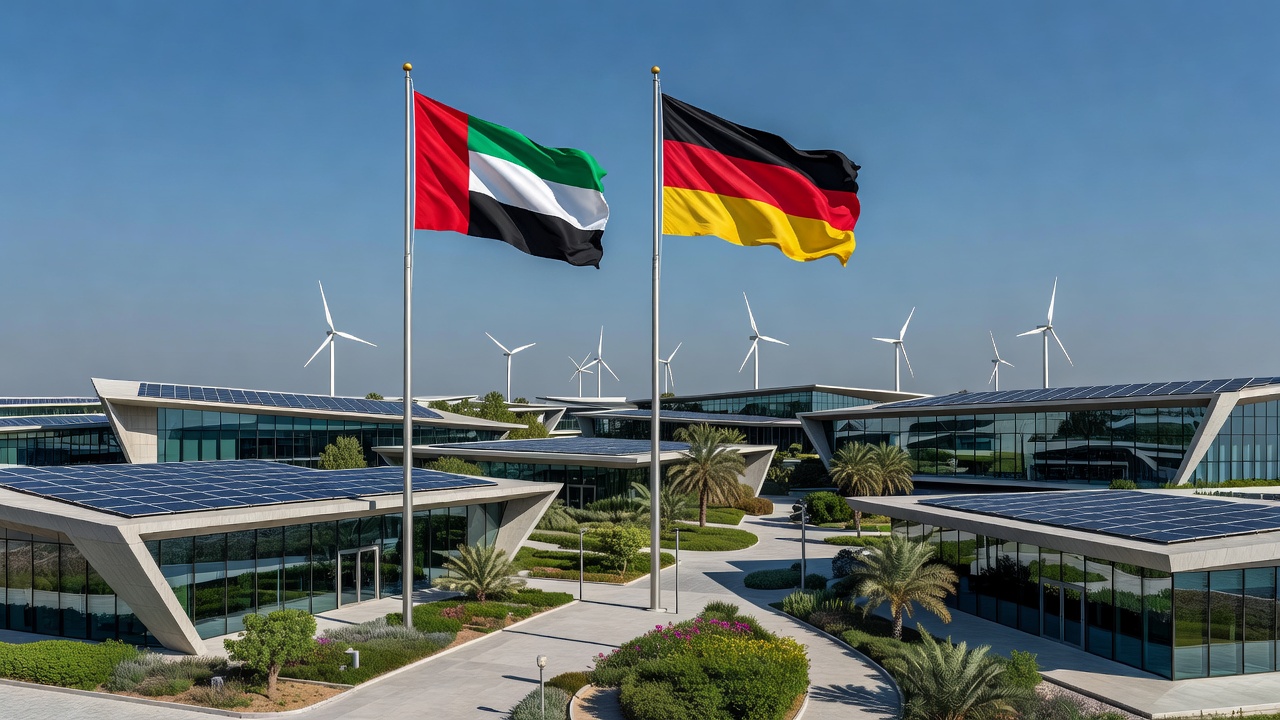

The Emirates News Agency detailed how the UAE and Germany are advancing their longstanding strategic partnership through enhanced collaboration in energy transition, advanced technology and sustainable investments. High-level engagements between diplomats and business leaders from both sides have identified fresh opportunities to align policies on global challenges ranging from climate action to supply chain resilience. These discussions build directly on years of bilateral engagement that have positioned Germany as a leading European partner for the Gulf state.
According to the WAM report, the partnership expansion includes joint initiatives in renewable energy projects and artificial intelligence research that could yield commercial agreements in the coming months. German firms have already established a strong presence in the UAE market, contributing expertise in engineering and innovation hubs such as Masdar City. The two governments have signaled readiness to streamline regulatory frameworks that would accelerate further private-sector involvement.
A joint statement carried by the news agency outlined priorities for cooperation in climate change mitigation alongside advanced manufacturing techniques. UAE representatives stressed the value of integrating German technical standards into local industrial development plans. The framework also envisions expanded educational ties that facilitate greater exchange of students and researchers between the two countries.
German Federal Statistical Office data places bilateral trade at more than 15 billion euros last year, with machinery, vehicles and energy products forming the core of exchanges. This economic baseline has grown steadily since the signing of early investment protection agreements in the 2000s. The latest partnership push seeks to diversify flows beyond hydrocarbons into green hydrogen and digital services.
The WAM coverage further noted that cultural programs and security coordination will receive additional emphasis under the updated partnership. Participation in university exchange initiatives has risen by nearly 30 percent over the past five years, according to UAE Ministry of Education figures. Such people-to-people links are viewed as essential for sustaining high-level diplomatic alignment.
Both sides have committed to closer information sharing on counter-terrorism and regional stability matters, extending earlier defense memorandums. The UAE maintains active diplomatic channels with European Union members, and Germany has consistently supported Gulf security architectures through NATO partnership frameworks. These overlapping interests have guided the latest round of strategic talks.