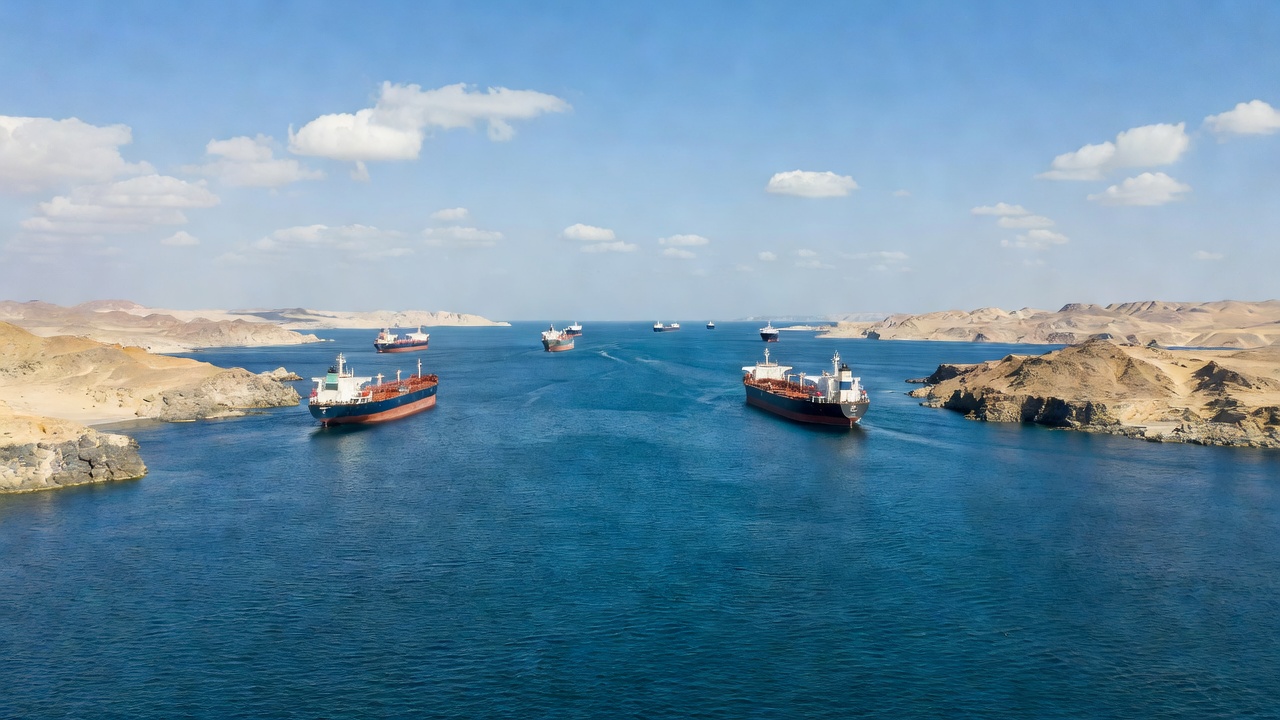

The European External Action Service issued a statement expressing alarm at the military escalation in the Middle East. It strongly condemned the Iranian attacks and deplored the strikes on Saudi commercial vessels passing through the Strait of Hormuz. The EU called on all parties to respect international law and protect civilians in accordance with international humanitarian law.
According to the European External Action Service, the attacks violate international law and the EU urged de-escalation along with full implementation of United Nations Security Council Resolution 2817. The bloc warned that further escalation could have unpredictable consequences in the economic sphere, including disruptions to critical waterways. It expressed solidarity with the affected countries and reiterated that security in Europe and the Gulf is interlinked.
A Reuters report from March detailed how an earlier EU statement following U.S. and Israeli strikes on Iran in February described Iran’s responses as inexcusable. That statement similarly called for maximum restraint among all involved nations according to the news agency. The ongoing cycle of attacks has continued into September, prompting renewed diplomatic responses from Western powers.
The European Union has consistently urged Iran to cease its destabilizing activities in the region, a position echoed in joint statements by Germany, France and Britain in late February according to Reuters. Those leaders condemned indiscriminate military strikes and called for a return to negotiations over Iran’s nuclear program. They stressed the importance of allowing the Iranian people to determine their own future without external interference and noted they were in close contact with international partners including the United States and Israel.
WAM reported the EU’s latest position in line with broader international efforts to stabilize the region. The news agency highlighted the condemnation as part of coordinated responses from multiple partners. Affected Gulf states have also voiced their own strong objections to the sovereignty violations through separate statements.
The EU indicated it would continue to engage with regional partners to contribute to de-escalation, according to the European External Action Service. It stands ready to support diplomatic initiatives aimed at ending hostilities and preventing Iran from acquiring nuclear weapons. The statement emphasized that such efforts must address Iran’s broader pattern of regional interference while upholding the principles of the United Nations Charter.