



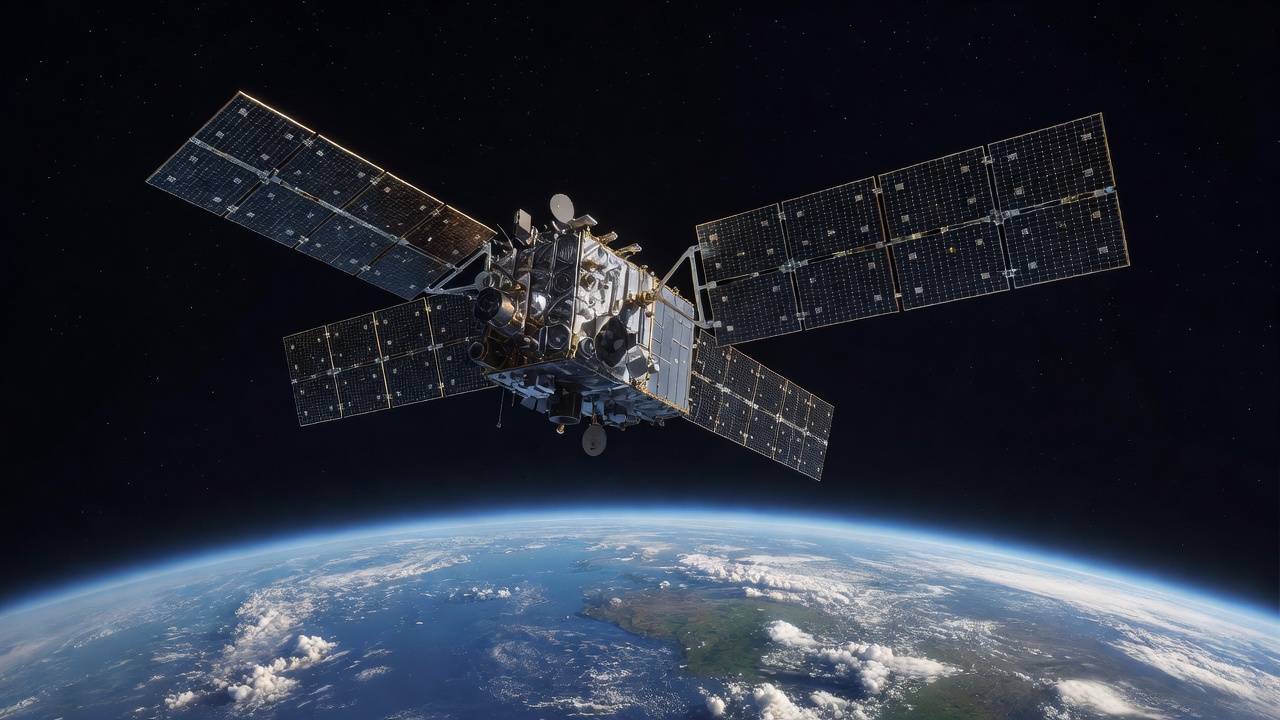

UAEU’s National Space Science and Technology Centre announced the successful launch of the SEO satellite, which occurred on August 17, 2026. The spacecraft lifted off at 11:02 am China Standard Time from the Taiyuan Satellite Launch Center aboard a Long March 2C rocket and was placed into a sun-synchronous orbit, according to post-launch information from the mission partners. The centre highlighted the event as a milestone that involved Emirati engineers, researchers and students in multiple phases of the project to build practical skills in satellite operations. This step forms part of ongoing efforts to strengthen domestic capabilities across the full satellite lifecycle.
In a statement, the centre described the SEO mission as an ambitious step toward utilizing space technologies to support sustainability and future development. The satellite seeks to provide data and insights that contribute to environmental protection, natural resource management, and enhanced planning and decision-making efficiency. Officials indicated that the remote sensing payload will help gather information relevant to these areas while providing hands-on training opportunities for UAE talent through ground station work and assembly, integration and testing activities.
The project was realised through cooperation with Chinese partners that delivered technical support and the launch opportunity via the China Great Wall Industry Corporation. A post-launch statement from the enterprise confirmed the arrangement, which enabled the National Space Science and Technology Centre at the United Arab Emirates University to focus on capacity building for its team. The partnership reflects a pattern of international collaboration that has supported several recent UAE space initiatives.
Established in November 2016, the National Space Science and Technology Centre at UAEU works to advance the country’s space vision through targeted research and development programs. The university itself is the oldest public institution of higher education in the Middle East, according to its own records, and has used the centre to involve students directly in satellite missions. Earlier this year the centre outlined preparations for similar projects, setting the stage for the SEO deployment.
The Long March 2C rocket utilised for the mission is a two-stage vehicle with a proven record of placing payloads into sun-synchronous orbits, launch providers reported. This flight marked one of multiple international satellite deliveries China has conducted in 2026, with the UAE project listed among them. Industry assessments place the rocket’s capacity at approximately 1,900 kilograms to sun-synchronous orbit.
Data expected from the SEO satellite will feed into broader national strategies for environmental monitoring and resource management, the centre’s announcement indicated. The mission also contributes to a growing UAE space sector that has expanded its industrial base in recent years through successive satellite programs. UAEU officials have continued to emphasise the importance of such projects for developing the next generation of space professionals.