


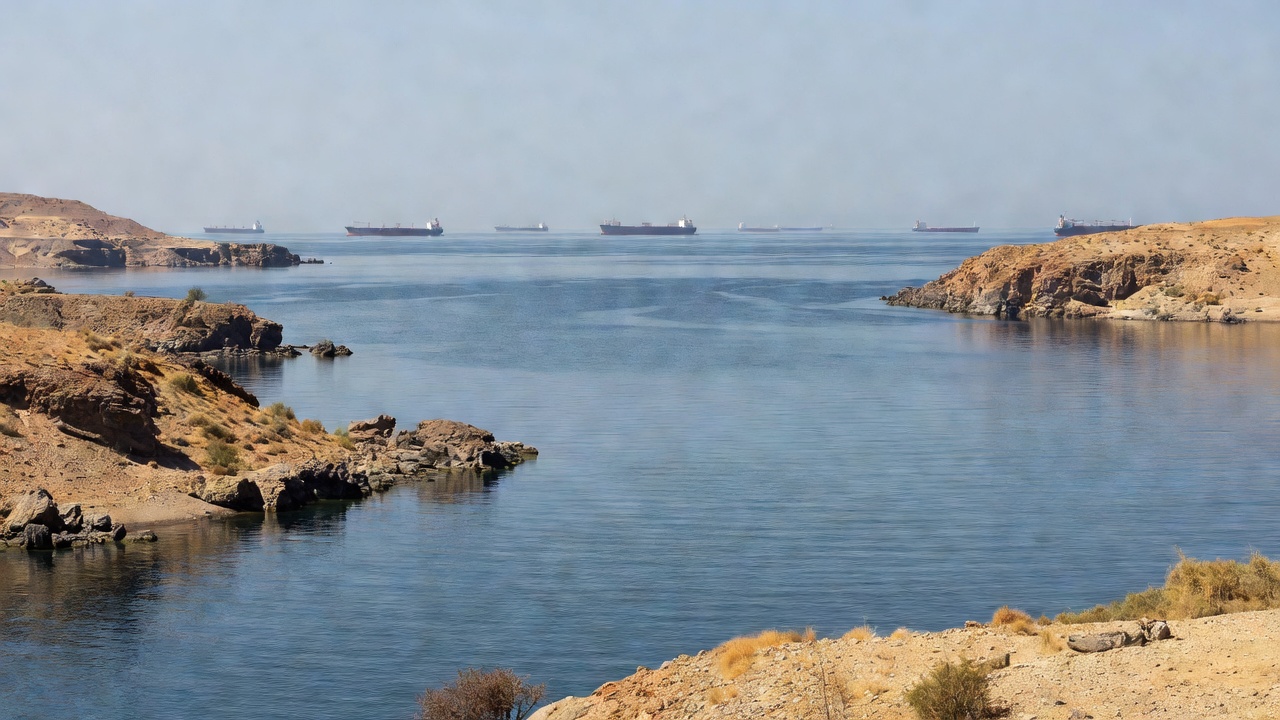

The UAE Ministry of Foreign Affairs announced on August 14, 2026, that the country has strongly condemned and denounced a hostile Iranian attack involving two drones on two vessels affiliated with ADNOC while they transited the Strait of Hormuz. According to the ministry’s statement distributed by the Emirates News Agency, ADNOC reported that no injuries were sustained and the situation was brought under control. The ministry underscored that the attack constitutes a flagrant violation of UN Security Council Resolution 2817, which affirms the importance of freedom of navigation and rejects the targeting of commercial vessels. It added that such actions represent a direct threat to regional stability, its peoples and global energy security.
The Ministry of Foreign Affairs emphasized in its statement, as reported by Gulf News, that targeting commercial shipping and using the Strait of Hormuz as a tool of economic coercion or blackmail amounts to acts of piracy by Iran’s Revolutionary Guard Corps. U.S. Energy Information Administration figures show that total oil flows through the strait averaged 20.9 million barrels per day in the first half of 2025, equivalent to about 20 percent of global petroleum liquids consumption. This volume underscores the waterway’s role as a vital chokepoint for international energy trade that has faced repeated disruptions amid regional tensions.
United Nations records indicate that Security Council Resolution 2817 was adopted on March 11, 2026, following a draft presented by Bahrain on behalf of the Gulf Cooperation Council states and Jordan. The resolution condemns Iran’s attacks on Gulf countries, demands an immediate cessation of such actions, and reaffirms the right to navigational freedoms in the Strait of Hormuz under international law. It further deplores the targeting of civilian objects and the resulting threats to international peace, trade and energy security.
ADNOC has indicated that 15 of its vessels have been targeted by missiles and drones since the current conflict began while passing through the Strait of Hormuz, according to accounts cited in regional coverage. Al Jazeera reported that the UAE accused Iran’s Revolutionary Guard Corps of executing the latest strike, which occurred in the early hours as the vessels crossed the strategic passage. The ministry’s response forms part of a consistent Gulf position against interference with commercial maritime routes that carry a significant share of the world’s oil supplies.
The Ministry of Foreign Affairs called on Iran to halt all attacks and ensure the strait remains fully open for lawful transit, in line with the principles outlined in the UN resolution. Khaleej Times coverage noted that the UAE views these incidents as destabilizing activities that undermine international law and regional security. Such statements reflect ongoing diplomatic efforts to address tensions that have periodically reduced vessel traffic through the chokepoint.
Supply chain analyses, including those referenced by the International Monetary Fund, place the annual number of vessels transiting the Strait of Hormuz at more than 30,000 under normal conditions, with daily oil transport volumes surpassing 20 million barrels. Britannica assessments place the typical daily flow at roughly 20.3 million barrels of petroleum, accounting for about 25 percent of global maritime oil trade. These statistics highlight why the latest incident has drawn condemnation from the UAE and other states concerned with maintaining secure energy corridors.