




The Ministry of Economy and Tourism announced the launch of a digital platform that lets consumers assemble a customised basket of goods and compare overall costs at different outlets to secure the lowest prices available. The system additionally displays minimum and maximum prices for each product at individual stores. According to the ministry the tool collects and analyses pricing data in real time from the country’s largest retailers.
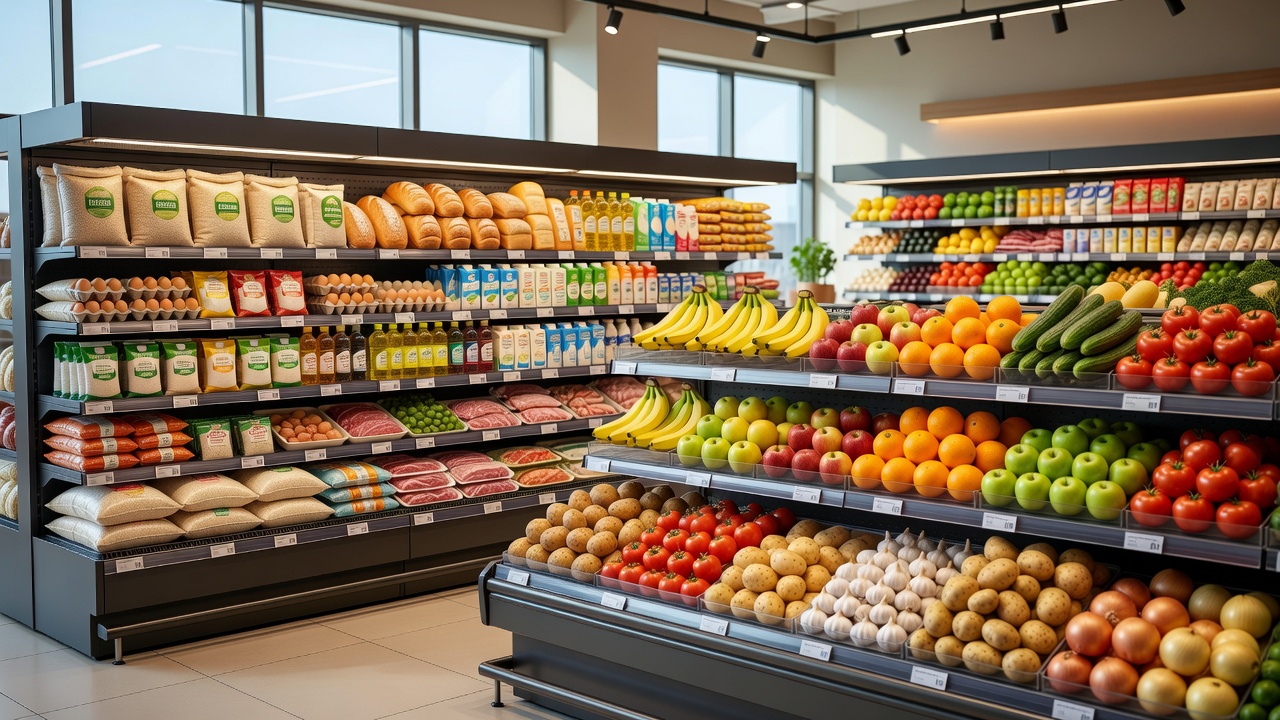
The Essential Goods Prices Platform strengthens market oversight, the Ministry of Economy stated. It tracks 33 products that include rice, sugar, eggs, bread, dairy items, cooking oil, meat, fish as well as fruits and vegetables. The first phase covers 17 core consumer categories together with 16 additional goods such as wheat, legumes, bottled water, bananas, apples, oranges, cucumbers, tomatoes, potatoes, garlic and onions.
Central Bank of the UAE figures place the inflation forecast for 2026 at 2.3 percent, aided by regulatory controls on staple food items that keep rises below global averages.[[1]](https://www.centralbank.ae/media/rafjunsc/qer_june_2026.pdf) The ministry has enforced a requirement since 2022 for suppliers and retailers to obtain prior approval before raising prices on essential goods. A related policy seeks to prevent unjustified increases, curb monopolistic practices and ensure that controlled profit margins are reflected in final sales prices.
Ministry of Economy and Tourism statistics show consumer complaints fell to 2,943 in 2023 after totalling 3,313 in 2022 and 4,718 in 2021. Increased prices represented only a small share of submissions while automotive and miscellaneous categories accounted for larger portions. The new platform is expected to further ease pressures by supplying transparent data that supports informed purchasing choices.
The initiative forms part of the ministry’s sustained monitoring of food prices and supply chains across the country. It seeks to promote competition among retailers while helping households manage living costs more effectively. Consumers can access the system through the ministry’s website to take advantage of its comparison features.