




The Emirates Red Crescent launched the Nahr Al Hayat Fund to deliver specialised medical and surgical care to children facing serious health challenges, with a focus on congenital heart disease cases that require timely intervention. According to the organisation, the fund has extended its reach to seven countries, Jordan, Tanzania, Iraq, Yemen, Syria and Morocco among them, where medical teams have conducted assessments and procedures. In an update published by the Emirates News Agency on May 19, 2026, officials outlined how the initiative has benefited nearly 2,500 children since the programme began.
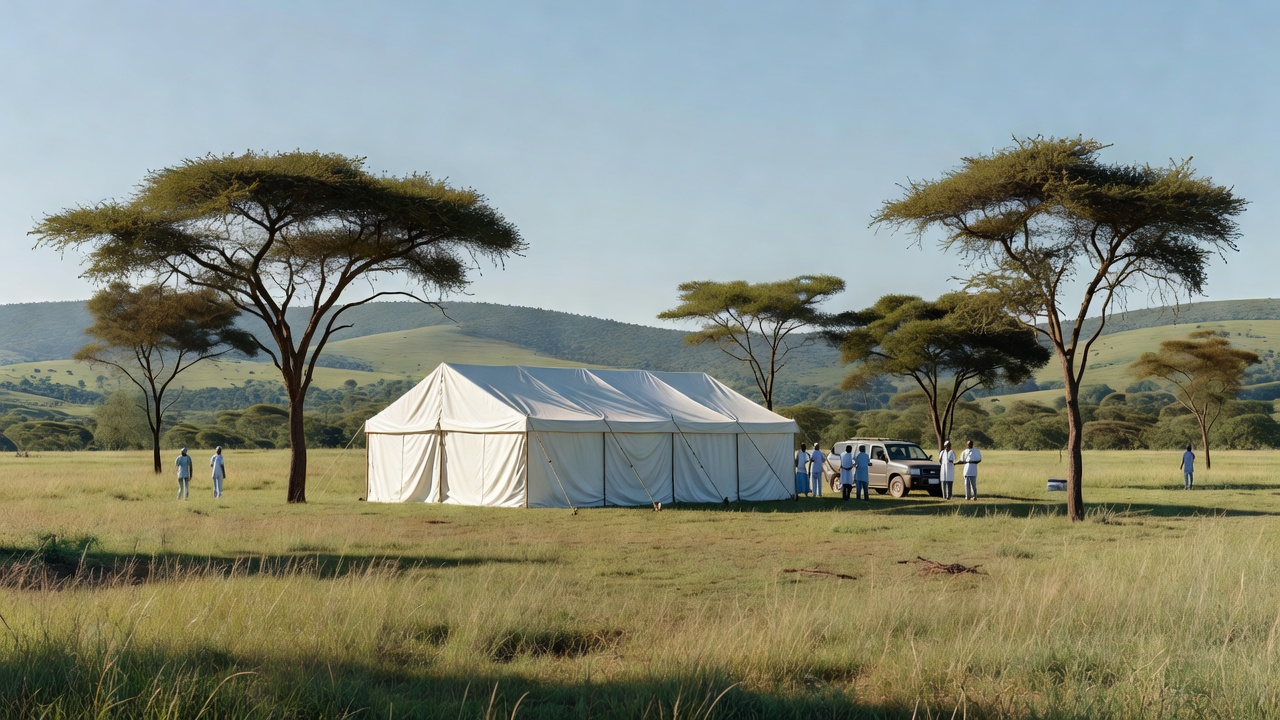
Tanzania has formed one of the key destinations for the fund’s activities, where medical camps have been organised to identify and treat affected children. The One New Heart Tanzania organisation reports that around 17,000 babies are born with congenital heart defects in the country each year, a figure that underscores the scale of the challenge in the region. Public campaigns tied to the Nahr Al Hayat Fund have included screening events in areas such as Zanzibar to connect families with available care.
Children under the age of 15 qualify for assistance under the fund’s guidelines, which require submission of detailed medical reports before support is approved. The Emirates Red Crescent has partnered with local health authorities and institutions in recipient countries to facilitate examinations, surgeries and follow-up treatment. Data from the fund’s operators show that cardiology services form a central element of the care package, which also covers additional specialties when needed.
The programme’s expansion aligns with broader UAE humanitarian efforts that have historically supported healthcare projects in Africa and the Middle East. According to the Emirates Red Crescent, the Nahr Al Hayat Fund continues to accept applications from eligible families, with an emphasis on cases that can be addressed through established medical channels. Recent activities in Tanzania have involved coordination with facilities such as the Jakaya Kikwete Cardiac Institute to perform necessary interventions.
Support from the fund has enabled procedures that would otherwise remain out of reach for many families, particularly in regions where advanced cardiac care is limited. The Emirates News Agency noted that the initiative has grown from its initial phase to cover multiple nations, with Tanzania remaining an active participant in ongoing medical outreach. Organisers have stressed the importance of early detection to improve outcomes for children diagnosed with heart conditions.
Further statistics from partner groups in Tanzania indicate that congenital heart defects rank among the leading causes of early childhood mortality, prompting sustained international collaboration. The Nahr Al Hayat Fund has dedicated resources to both surgical correction and post-operative support, according to descriptions on its official platform. Applications for assistance require current medical documentation to ensure appropriate allocation of care.