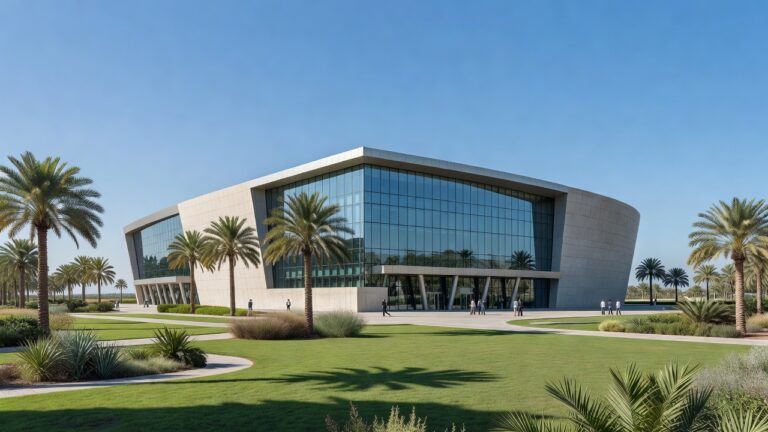



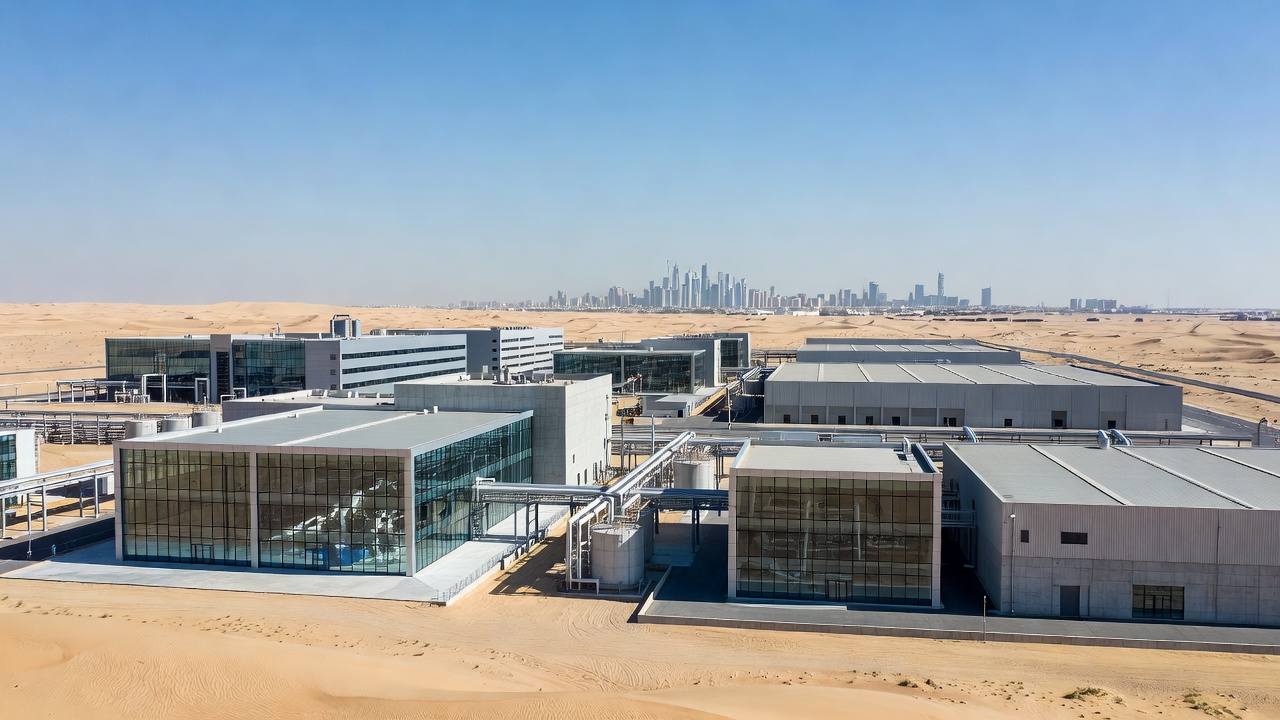

Dr Sultan Al Jaber, Minister of Industry and Advanced Technology, detailed the industrial sector’s expanding role during a keynote address at the Make it in the Emirates 2026 forum in Abu Dhabi. The sector’s contribution to the economy has reached Dh200 billion, equivalent to $54.45 billion and reflecting a 70 per cent increase, according to the minister. Industrial exports have grown to Dh262 billion overall, including Dh92 billion from advanced industrial products. Al Jaber described the numbers as confirmation that the industrial economic model is functioning effectively and gaining momentum while providing a buffer against global market volatility.
The minister connected this performance to the UAE’s capacity to adapt in the face of regional challenges, including attacks by Iran earlier in the year that failed to disrupt national priorities. He stressed that such experiences have reinforced the importance of building domestic capabilities in manufacturing and technology. “Those who manufacture, own their decisions. Those who build, own their future. And those who combine both … secure their sovereignty and resilience,” Al Jaber said. The address underscored how industrial development supports long-term self-reliance when confronted with external pressures.
Supporting initiatives include the recent launch of the Dh1 billion National Industrial Resilience Fund, which targets key areas such as primary metals, mechanical and electrical equipment, chemicals, pharmaceuticals and advanced technology, the minister reported. The UAE Cabinet has also amended the National In-Country Value programme, shifting it from an incentive-based system to a mandatory requirement for selected federal entities and companies with at least 25 per cent government ownership. In parallel, authorities are pursuing the localisation of more than 5,000 products in strategic sectors alongside efforts to promote domestically made goods through retail channels.
These steps advance the Operation 300bn industrial strategy that the government introduced in 2021 with the objective of establishing the UAE as a leading global industrial centre by 2031. The programme concentrates on sectors that include chemicals, electrical equipment, construction materials, machinery, food processing, transport, metals, pharmaceuticals, plastics and paper products. Al Jaber noted that industrial procurement opportunities within the UAE are projected to expand by 7 per cent from Dh168 billion to Dh180 billion across the next decade.
The Emirates Growth Fund, a separate Dh1 billion platform established under the Emirates Development Bank, aims to channel support to small and medium-sized enterprises active in the industrial space. The Make it in the Emirates event has drawn more than 1,000 companies, ranging from large entities such as Mubadala to smaller participants, with sessions addressing industrial resilience, emerging technologies including robotics and youth-driven innovation. Such gatherings facilitate connections that accelerate the integration of advanced manufacturing into the national economy.
Al Jaber framed the UAE’s decision to withdraw from Opec and Opec+ as a calculated sovereign choice that aligns with its diversification objectives and rising production capabilities. The country maintains an output capacity of 4.85 million barrels per day but had previously operated roughly 30 per cent below that level under quota restrictions, according to the minister. The exit grants additional flexibility while the UAE reaffirms its position as a dependable contributor to global energy market stability from a base of expanded industrial strength.