



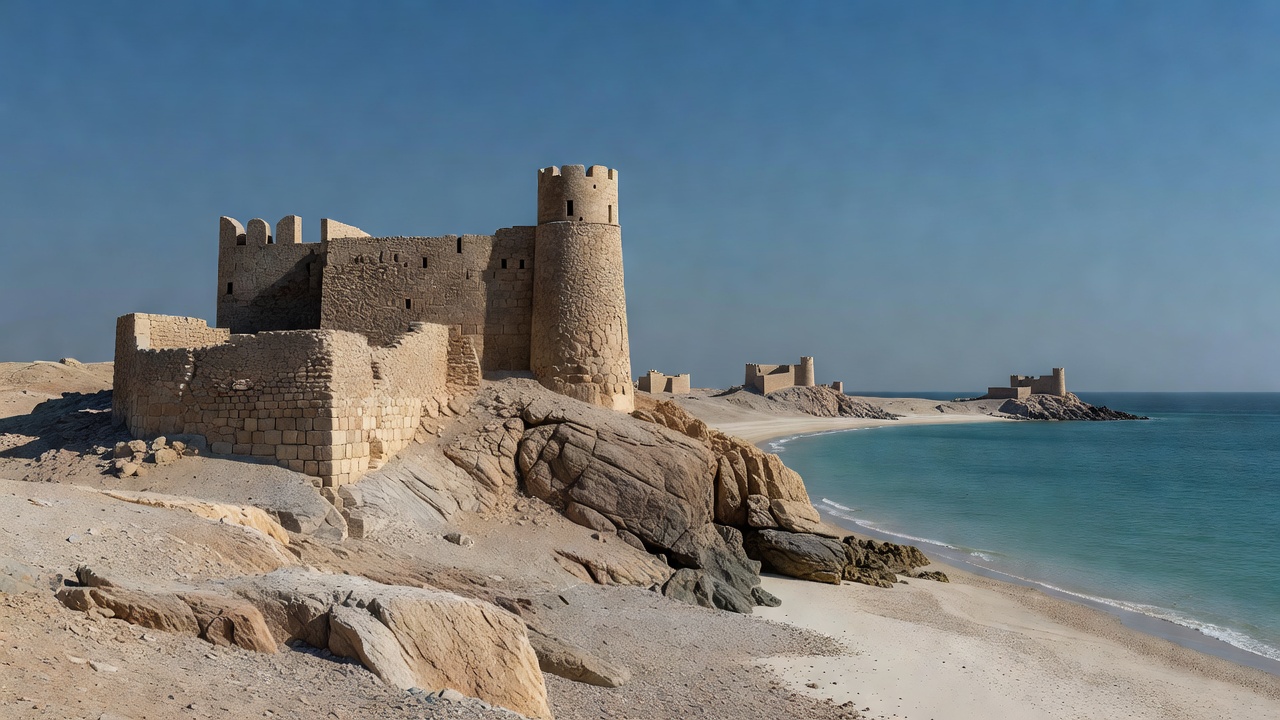

The Department of Culture in Sharjah secured the addition of the Coastal Fortified Network of South Eastern Arabia to UNESCO’s Tentative List for World Heritage, according to a report from the Emirates News Agency. This network consists of interconnected coastal forts, watchtowers and defensive outposts built between the 16th and 19th centuries to safeguard maritime trade routes along the southeastern Arabian coast. The Emirates News Agency detailed how these structures reflect centuries of regional conflicts, economic activity and architectural adaptation to the local environment.
Sharjah authorities have documented more than a dozen individual sites within the network, the Department of Culture said in its submission materials. These include the Al Hayl Fort in Kalba and various watchtowers positioned along strategic headlands in Khor Fakkan, which served dual roles in surveillance and local governance. Historical records referenced by the department show that the fortifications responded to threats from European colonial powers and regional rivals competing for control of the Gulf’s pearling and spice routes.
UNESCO maintains the Tentative List as an inventory of sites that member states may eventually nominate for full World Heritage inscription, a UNESCO overview explained. The United Arab Emirates already holds three properties on the official World Heritage List, with UNESCO data showing the Cultural Sites of Al Ain inscribed in 2011 as the first. The latest addition from Sharjah increases the UAE’s tentative submissions to 19, according to figures published by the international body.
The Department of Culture has conducted extensive archaeological surveys and restoration work at the sites over the past 15 years, its officials told the Emirates News Agency. These initiatives uncovered artifacts linked to the pearling economy and regional commerce that once thrived under the protection of the fortified network. Such preservation efforts form part of Sharjah’s long-term strategy to document and present its pre-oil heritage to global audiences.
A senior official from the Department of Culture described the UNESCO recognition as validation of the network’s outstanding universal value during the announcement covered by the Emirates News Agency. The fortifications illustrate the unique blend of local defensive techniques with influences absorbed from interactions across the Indian Ocean world. The department plans to pursue full nomination in the coming years while continuing collaborative research with regional heritage institutions.
Similar coastal defense systems in neighboring Gulf states have featured in previous UNESCO considerations, providing comparative context for Sharjah’s application, according to heritage sector analyses. The addition coincides with growing interest in maritime cultural routes that once connected eastern Arabia to East Africa and South Asia. The Emirates News Agency noted that international experts will now have access to enhanced documentation prepared by Sharjah to support potential future evaluation.