


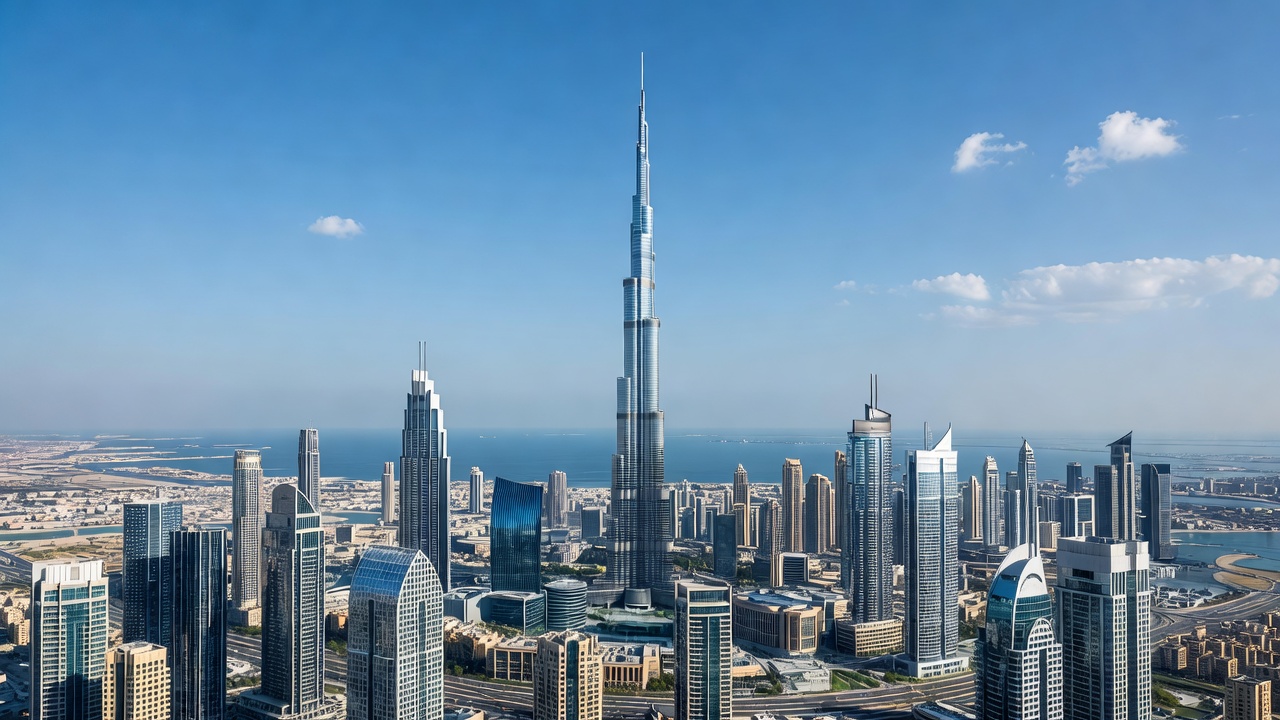

Strategic partnerships, global marketing campaigns and a calendar of major events propelled the growth, according to the Dubai Department of Economy and Tourism. The department’s data showed the 2025 figure surpassing the 18.72 million visitors recorded in 2024 as the emirate maintained its appeal across diverse source markets. This performance continues a trajectory of recovery and expansion that has seen Dubai solidify its position among the world’s top destinations since the lifting of pandemic restrictions.
The city achieved a new monthly milestone in December 2025 by welcoming 2.04 million international overnight visitors for the first time, DET figures indicate. That total represented a 6 percent rise from the same month a year earlier. January 2025 had previously set the monthly benchmark with 1.94 million arrivals.
Regional performance varied, with Western Europe delivering 4.1 million visitors or 21 percent of the annual total, up from 3.74 million in 2024, the department reported. GCC countries accounted for 15 percent with 2.99 million arrivals while combined MENA markets contributed 11 percent or 2.17 million. South Asia and the CIS plus Eastern Europe each supplied 2.89 million visitors, representing 15 percent shares apiece.
Hospitality metrics reflected the increased demand, as average hotel occupancy climbed to 80.7 percent from 78.2 percent the previous year, according to DET statistics. The city registered 44.85 million occupied room nights, a 4 percent gain, with average length of stay holding at 3.7 nights. Average daily rate increased 8 percent to AED579 and revenue per available room rose 11 percent to AED467 while the total room inventory reached 154,264 across 827 establishments.
Helal Saeed Almarri, director general of the Dubai Department of Economy and Tourism, attributed the outcome to the emirate’s economic model. “Under the visionary leadership of His Highness Sheikh Mohammed bin Rashid Al Maktoum and H.H. Sheikh Hamdan bin Mohammed bin Rashid Al Maktoum, Dubai’s 2025 tourism performance reflects the strength of our economic model, one anchored in effective public-private collaboration and aligned with the Dubai Economic Agenda, D33,” Almarri said. He added that the sector delivers tangible impact through GDP growth, investment inflows and global talent attraction.
Issam Kazim, CEO of the Dubai Corporation for Tourism and Commerce Marketing, part of DET, described the visitation record as a testament to global confidence in the destination. “Guided by visionary leadership, Dubai’s record international visitation is a testament to global confidence in the destination and the effectiveness of policies aligned with the Dubai Economic Agenda, D33, as well as the collective strength of partnerships across sectors and communities that defines our city,” Kazim stated. He pointed to priorities including digital innovation and exceptional guest experiences to maintain competitiveness.
Emirates NBD Research noted in a February 2026 assessment that the roughly 5 percent expansion, while more moderate than prior years, leaves the sector well placed for continued gains on the back of hospitality capacity growth, aviation links and favourable currency movements. The bank’s analysts projected positive momentum from these factors alongside a diverse events programme. Such external views complement the official data in underscoring Dubai’s enduring draw for international travellers.