

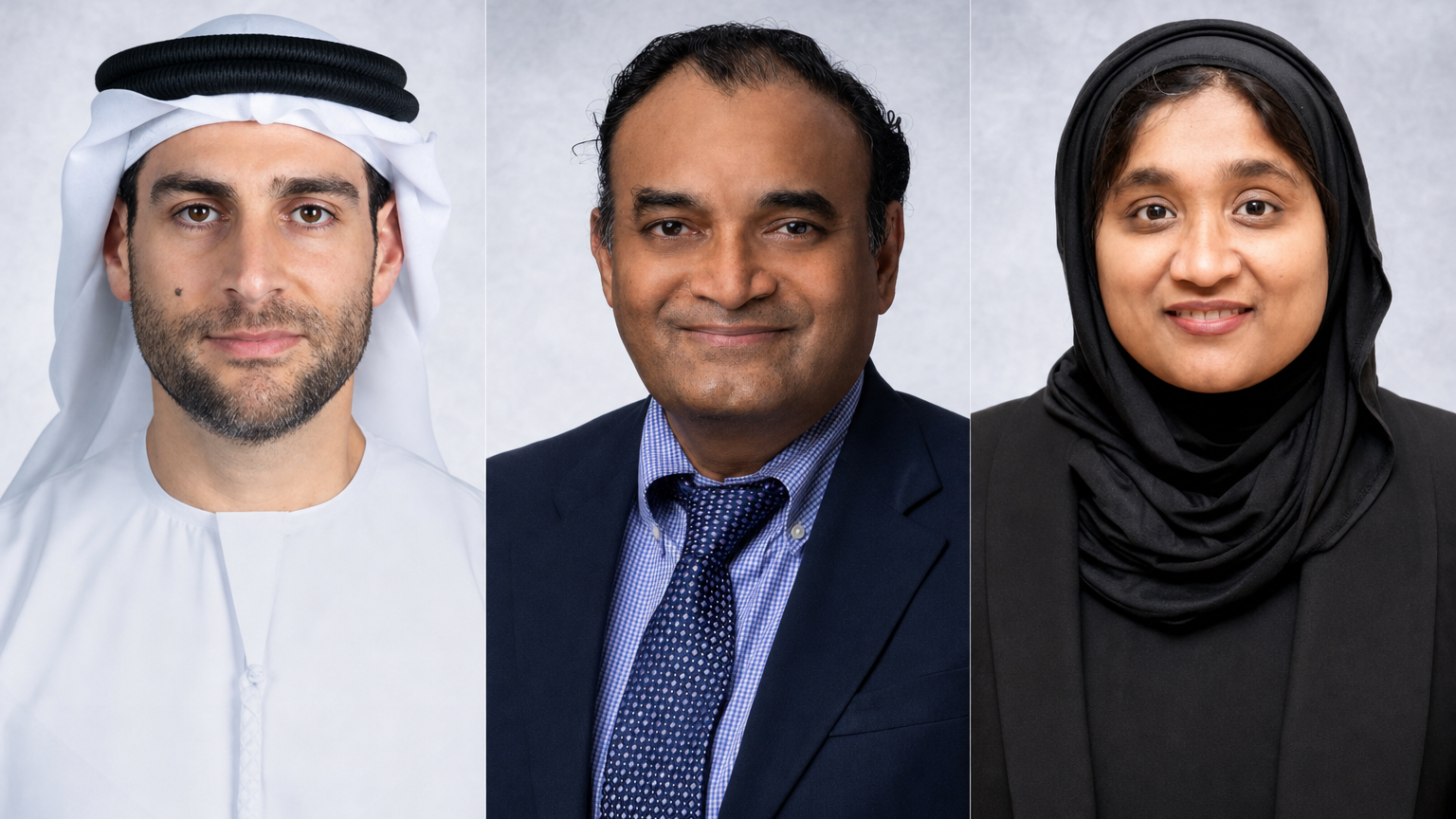

The First Emirates Hematology Forum opens in Abu Dhabi at the Rosewood hotel with a programme focused on the latest developments in diagnosing and treating blood disorders. Chaired by Dr. Ajlan Al Zaki, a consultant hematologist and blood cancer specialist at Cleveland Clinic Abu Dhabi who trained at MD Anderson Cancer Center, the event assembles practitioners from across the UAE together with leading figures from overseas institutions. According to a report by the Emirates News Agency, sessions will address advances in immunotherapies, targeted treatments and emerging cellular therapies that are reshaping clinical practice in hematology.
Dr. Swaminathan Iyer, professor of medicine in the department of lymphoma and myeloma at MD Anderson Cancer Center, delivers the keynote lecture on the management of hemophagocytic lymphohistiocytosis, a serious inflammatory syndrome that demands rapid diagnosis and intervention. A clinical case presentation follows the lecture to illustrate practical approaches to patient care. The Emirates News Agency indicated that these presentations aim to bridge theoretical knowledge with real-world application for attending physicians.
Dr. Nausheen Ahmed from Cleveland Clinic Abu Dhabi examines the application of chimeric antigen receptor T-cell therapy in multiple myeloma cases, while Dr. Panagiotis Kaloyannidis of Burjeel Medical City reviews the expanding role of bispecific antibody therapies in hematological malignancies. Further sessions explore developments in Hodgkin lymphoma and other lymphomas along with bleeding and thrombotic complications linked to newer agents. A report distributed by mid-east.info noted that these topics reflect the rapid evolution of treatment options available to regional clinicians.
Discussions also cover myeloid diseases, encompassing acute myeloid leukemia, myelodysplastic syndromes and chronic myeloid leukemia, as well as the integration of stem cell transplantation within therapeutic pathways. Participants will assess possibilities for reducing reliance on traditional chemotherapy in selected patient groups. The scientific programme, organised under the auspices of the Emirates Society of Haematology, seeks to promote knowledge exchange that ultimately improves outcomes for patients across the UAE.
The Emirates Society of Haematology traces its origins to 2005 when specialists in Abu Dhabi began regular meetings that later expanded nationwide and received formal recognition in 2009 as a section of the Emirates Medical Association. Since 2011 the society has convened annual conferences that have grown into major platforms for continuing medical education in the field. Society records show it maintains approximately 90 members and associate members drawn from various hematology disciplines and maintains links with international counterparts to elevate care standards.
Data from the UAE National Cancer Registry maintained by the Ministry of Health and Prevention recorded 304 leukemia cases and 228 cases of non-Hodgkin lymphoma in 2021, underscoring a notably high proportion of hematologic malignancies relative to solid tumors when benchmarked against Western registries. This pattern mirrors trends observed in neighbouring Saudi Arabia and highlights the importance of focused research and specialised forums. A 2025 study published in the journal Blood analysing acute leukemia in Abu Dhabi further documented demographic patterns among patients, many of whom are expatriates from South Asia.
The UAE hematology market is projected to expand from USD 3.8 billion in 2025 to USD 7.4 billion by 2031 at a compound annual growth rate of 11.6 percent, driven by rising incidence of blood disorders and adoption of advanced diagnostic tools, according to a sector assessment by Mobility Foresights. Increasing healthcare investment and regulatory support for innovative therapies are expected to sustain this trajectory. The current forum aligns with these developments by facilitating dialogue among practitioners who will apply the latest evidence in daily practice.