



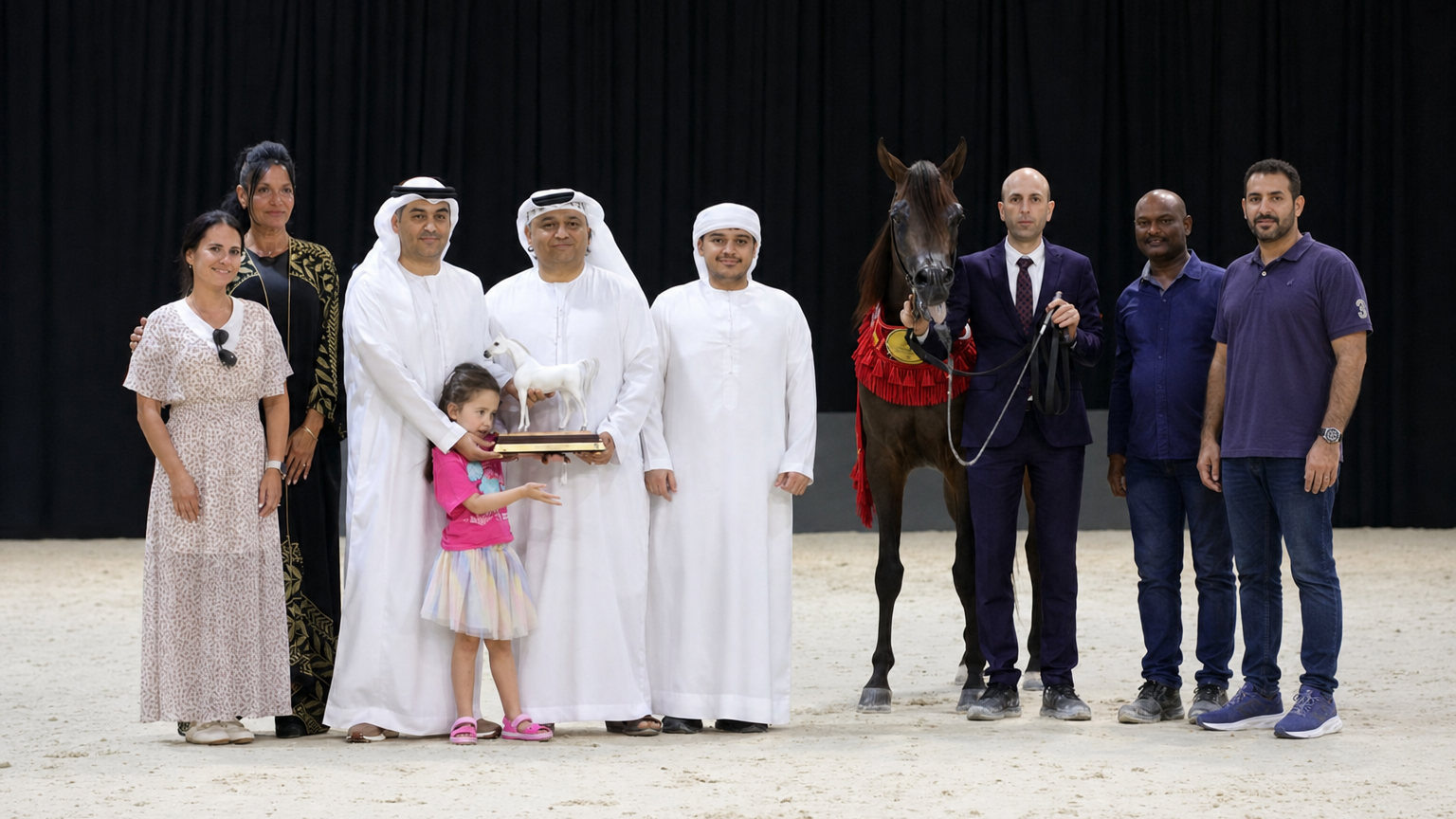

The Emirates Arabian Horse Society has announced that its National Championship will commence on Monday at Budheib Academy, where competitors will vie for honours in various classes for purebred Arabian horses. This annual event highlights the best of UAE breeding programs and attracts owners, breeders and enthusiasts from throughout the country. The championship is expected to feature intense rivalry as participants aim to secure top placements in front of judges and spectators alike.
According to the Emirates News Agency, last year’s edition included 405 horses owned by 209 individuals, setting a high standard for the current competition. Categories will likely encompass yearlings and juniors for both fillies and colts, culminating in a senior stallions finale where the overall champion is often named. Mohamed Ahmed Al Harbi, the society’s director-general, is anticipated to crown the winners at the conclusion of the show.
Established in 1986, the Emirates Arabian Horse Society has played a pivotal role in promoting the breed through shows, races and endurance events. Data from the World Arabian Horse Organization places the total registered Arabian horses in the UAE at 28,750 by the end of 2024, with owner numbers reaching 5,999.
The society issues import and export permits regularly, with thousands processed over the years to support the industry’s growth. In addition to the national championship, it organises four international shows annually, contributing to the UAE’s status as a global hub for Arabian horse activities.
A recent Dubai Arabian Horse Stud auction that generated AED 17.361 million in sales demonstrates the economic significance of high-quality bloodlines. The Emirates News Agency reported strong participation from regional and European buyers at that event. Such market strength encourages continued investment in breeding and competition preparation.
Equestrian experts note that the national event helps maintain standards and fosters competition that improves the overall quality of UAE Arabian horses. The combination of cultural heritage and modern management practices has allowed the sector to thrive. Breeders use these championships to evaluate their programs against the best in the nation.